
What is Production Music?
Any music used for commercial purposes, such as background music in films, videos and TV; commercial spots, ring tones, jingles, sound tracks. This is an exciting field to be in right now, and according to Stephen Kendrick of Kendrick Brothers Productions, the current need for production music in the Christian film arena is growing, especially songs that focus on discipleship. Other than Christian filmmakers, there are opportunities galore in the commercial field. Many film and TV execs are looking for retro sounds plus arpeggiated piano and guitar (referred to as Arps). Here are a few helpful tips on getting started in production music:
- Watch a lot of movies and TV. Keep up with current background music, and try to hear what they are doing differently than the last time you watched TV or a movie. Notice the newer beats. Listen to the rhythmic sound, and try to duplicate it. Take note of the BPM and instruments.
- Seek out Christian movie productions companies, and follow them. Start with Christian World View Film Festival (CWVFF)
- Research music libraries. Here are a couple you can try out: Pond 5, APM and for sound effects, Source Audio. These are just a few. More music libraries are cropping up every month. Listen to the type of music they are presenting on their home page. Then do a search within their site, and type in the kind of music you write (i.e., Gospel, blues, piano music) and also try entering in keywords about feelings (sad, happy, fear, comforting). Listen to as many variations as you can, and try to draw a similarity between the way you compose or play music, to what they offer. Music libraries offer exclusive and non-exclusive deals, and they also give you the option of retaining your ownership. Beware of the “Royalty Free” sites, as they generally are not a good fit for songwriters.
- Join Commercial Organizations. Taxi.com, Production Music Association (PMA). These organizations will provide opportunities for you to submit your music to music supervisors.
- What are they looking for? More often than not, when music supervisors for film and TV listen for a song as background music or end credits, they are not looking for a hit song. They are looking for a song that will blend in with the visual. So if you have a song that is not remarkable, yet conveys the feeling of the scene, you have it! Generally, they are looking for finished songs that are “radio ready”, which means they are produced, mixed and mastered so they can be used as-is. Some rare occasions they will not want mixed or mastered material, as they will do this in-house, but in that case, you should have a mixed/mastered version of your song as a demo to present to them so they can hear your song in its best version.
- Make a commitment to work every day on your music. Most production companies will have a prescribed type of song or music cue they are looking for, and they will spell it out, and include sample songs for you to listen to. Make sure you follow instructions exactly. You will have to work to get the type of music they are looking for, but the good news it that they are looking for all kinds of music, so chances are you are currently writing or recording something that would fit some of their requests. If you would like to see this type of music request (called a Brief), go to this link at Taxi.com
- Watch the end credits to your favorite movies, and notice where they get their music from. Sometimes a movie will have one main composer, but more frequently in the Christian movie realm, there will be a music library that they draw from for their theme music, background music, end credits.
When you begin your journey writing production music, bear in mind that music supervisors and execs are looking for excellent authentic sound quality, in other words, music that has some aspect of acoustic instruments. If you do your work completely “in the box” (on your composer/computer), add in some acoustic sounds that will make your music resonate with the ear better. Make sure your process measures up to your own standards first. Our ears tell us most of what we need to know about sound production. Take your time, and don’t put on your editor hat too soon…wait until you have finished creating your musical masterpiece, then edit like crazy!!
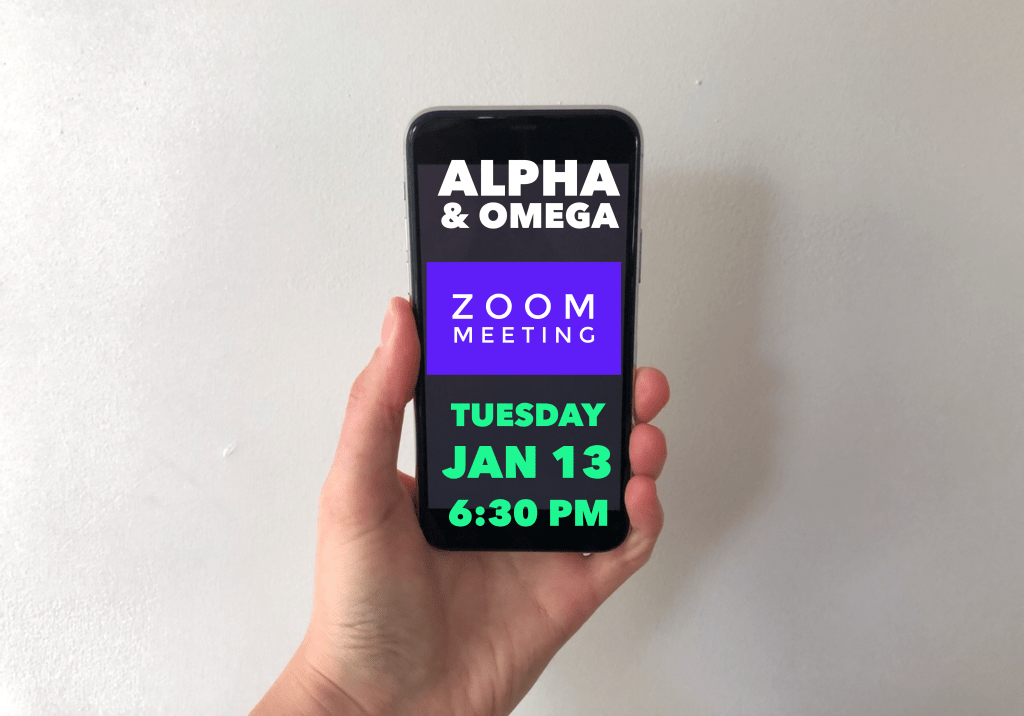



Let’s hear from you!